 Italy
Italy

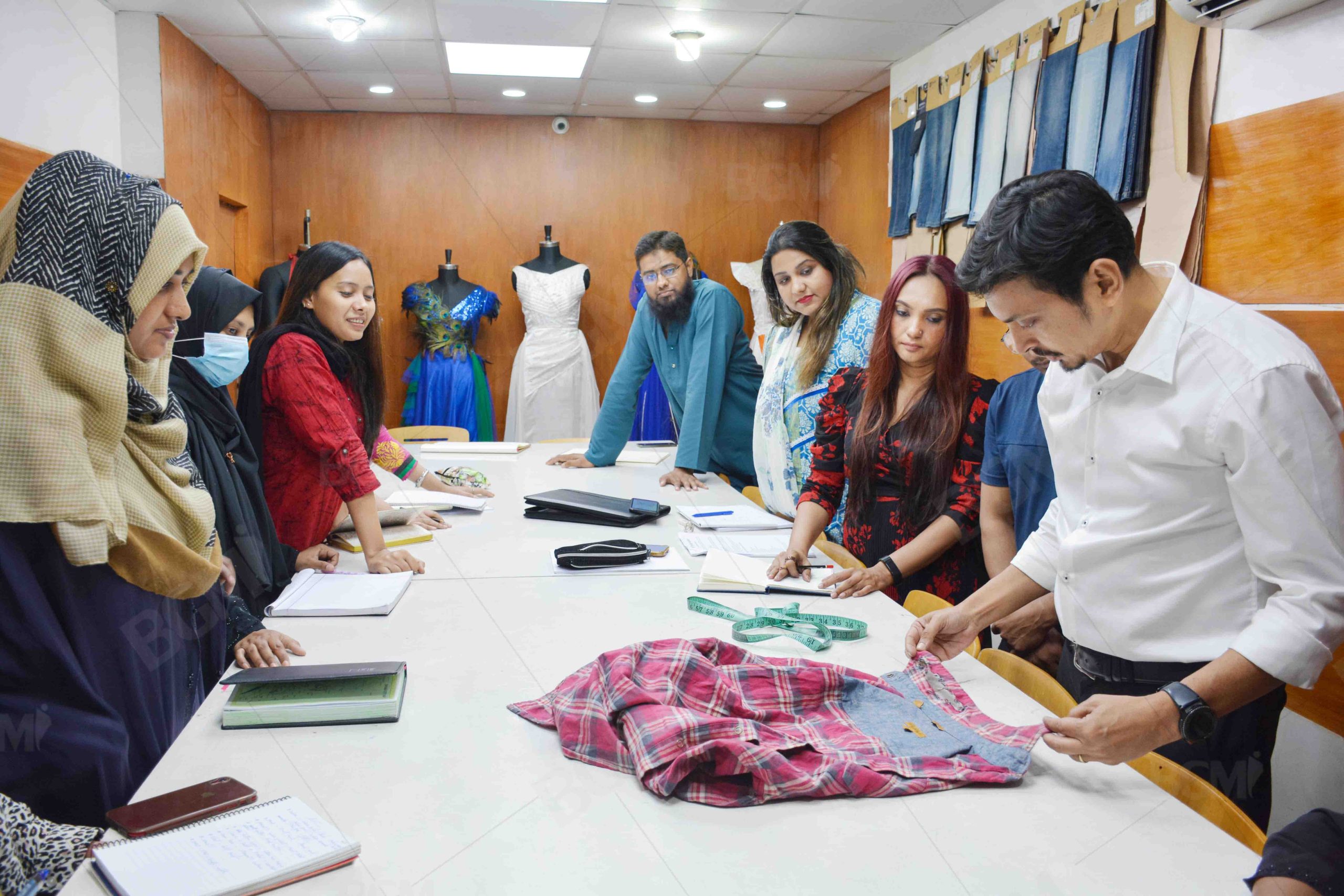
Quality Improvement is a continuous process aimed at enhancing product standards, reducing defects, and increasing customer satisfaction. At Nayem Fashion, quality improvement is not a one-time activity but an ongoing effort that involves every department, from fabric selection to final shipment.
The first step in quality improvement is identifying problems. This includes analyzing defects such as stitching errors, measurement issues, fabric faults, or finishing problems. By carefully observing production and collecting feedback from quality control teams and buyers, we can understand where improvements are needed.
The second step is root cause analysis. Instead of only fixing the problem, we focus on finding the main reason behind it. For example, a stitching defect may be caused by improper machine settings, low-quality thread, or lack of operator training. Identifying the root cause helps prevent the problem from happening again.
The next step is implementing corrective actions. At Nayem Fashion, we take necessary steps such as adjusting machine settings, improving worker training, upgrading materials, or modifying production methods. These actions help improve consistency and reduce errors in future production.
Another important part of quality improvement is standardization. Once a solution is proven effective, it is applied across all production lines. Standard Operating Procedures (SOPs) are updated so that every worker follows the same best practices, ensuring uniform quality.
We also focus on continuous monitoring and feedback. Regular inspections, audits, and performance reviews are conducted to track improvements. Feedback from buyers is highly valued, as it helps us align our products with international expectations.
Training and development play a key role in quality improvement. At Nayem Fashion, workers and supervisors are regularly trained to improve their skills, increase awareness, and maintain high production standards.
In conclusion, Quality Improvement at Nayem Fashion is a continuous cycle of identifying issues, finding solutions, implementing changes, and monitoring results. Through this process, we ensure better product quality, higher efficiency, and stronger customer satisfaction in the global garments market.